
Automotive tuning sounds simple until you realize how much technology is behind every performance boost. Surprising yet true. Even basic ECU mapping requires a minimum processor speed of 1.5 GHz and at least 4 GB RAM just to get started. Most people think tuning is all about mechanical tweaks and know-how. The real secret is your computer can be the biggest difference between flawless optimization and total frustration.
Table of Contents
- What Are Minimum System Requirements In Automotive Tuning?
- Why Minimum System Requirements Matter For Vehicle Performance
- How Minimum System Requirements Influence ECU Solutions
- Key Concepts Of Minimum System Requirements In Automotive Technology
Quick Summary
| Takeaway | Explanation |
|---|---|
| Robust computing power is essential. | A minimum processor speed of 1.5 GHz and 4 GB RAM are vital for effective vehicle tuning processes. |
| Integration of software and hardware is crucial. | Choose tuning software compatible with your operating system and ensure peripherals meet OBD-II communication protocols. |
| Accurate tuning impacts vehicle performance and safety. | Meeting system requirements prevents inaccurate performance mapping and enhances engine calibration, ensuring safety and reliability. |
| Real-time processing enhances ECU effectiveness. | Robust computational capabilities improve ECU design, allowing for better data interpretation and performance modifications. |
| Continuous adaptation of system requirements is necessary. | As automotive technology evolves, adaptable system requirements are key for supporting advanced performance standards and innovations. |
What are Minimum System Requirements in Automotive Tuning?
Minimum system requirements in automotive tuning represent the essential technical specifications and computational resources needed to effectively perform vehicle performance optimization and electronic control unit (ECU) modifications. These requirements ensure that automotive professionals and enthusiasts have the necessary technological infrastructure to conduct precise and reliable tuning procedures.
Computing Power and Performance Specifications
At the core of automotive tuning system requirements are robust computing capabilities. Research from the University of Debrecen highlights the critical need for substantial processing power when handling complex vehicle dynamics simulations and parameter optimization tasks. Modern automotive tuning demands computing systems with specific characteristics:
- Minimum processor speed of 1.5 GHz
- At least 4 GB RAM for complex ECU mapping
- Dedicated graphics card supporting advanced visualization
- Multiple USB ports for diagnostic equipment connectivity
- Stable power supply to prevent interruptions during tuning
Hardware and Software Compatibility
Successful automotive tuning requires seamless integration between hardware and specialized software platforms. Automotive tuning software like TunerStudio operates across multiple operating systems including Windows, macOS, and Linux distributions. Compatibility extends beyond basic operating systems to include specific requirements such as:
- USB interfaces supporting OBD-II and ECU communication protocols
- Software versions matching vehicle manufacturer specifications
- Updated driver configurations for diagnostic tools
Professional automotive tuners recognize that meeting these minimum system requirements is not just about technical specifications but ensuring reliable, precise vehicle performance optimization.
To help clarify the core technical components required for automotive tuning, the table below summarizes the minimum system requirements referenced throughout the article.
| Component | Minimum Requirement | Role in Automotive Tuning |
|---|---|---|
| Processor Speed | 1.5 GHz | Enables rapid ECU mapping and data processing |
| RAM | 4 GB | Supports complex simulation and parameter tuning |
| Graphics Card | Dedicated (not integrated) | Handles advanced visualization and diagnostics |
| USB Ports | Multiple | Connects diagnostic tools and interfaces |
| Power Supply | Stable (uninterrupted) | Prevents disruptions during sensitive processes |
| Operating System | Windows, macOS, or Linux | Ensures compatibility with tuning software |
| OBD-II/ECU Support | USB interface for OBD-II & ECU comms | Facilitates reliable communication with vehicle |
Why Minimum System Requirements Matter for Vehicle Performance
Minimum system requirements are not merely technical specifications but crucial determinants of automotive performance, safety, and efficiency. These requirements establish foundational parameters that ensure precise vehicle modifications and optimal electronic control unit (ECU) interactions.
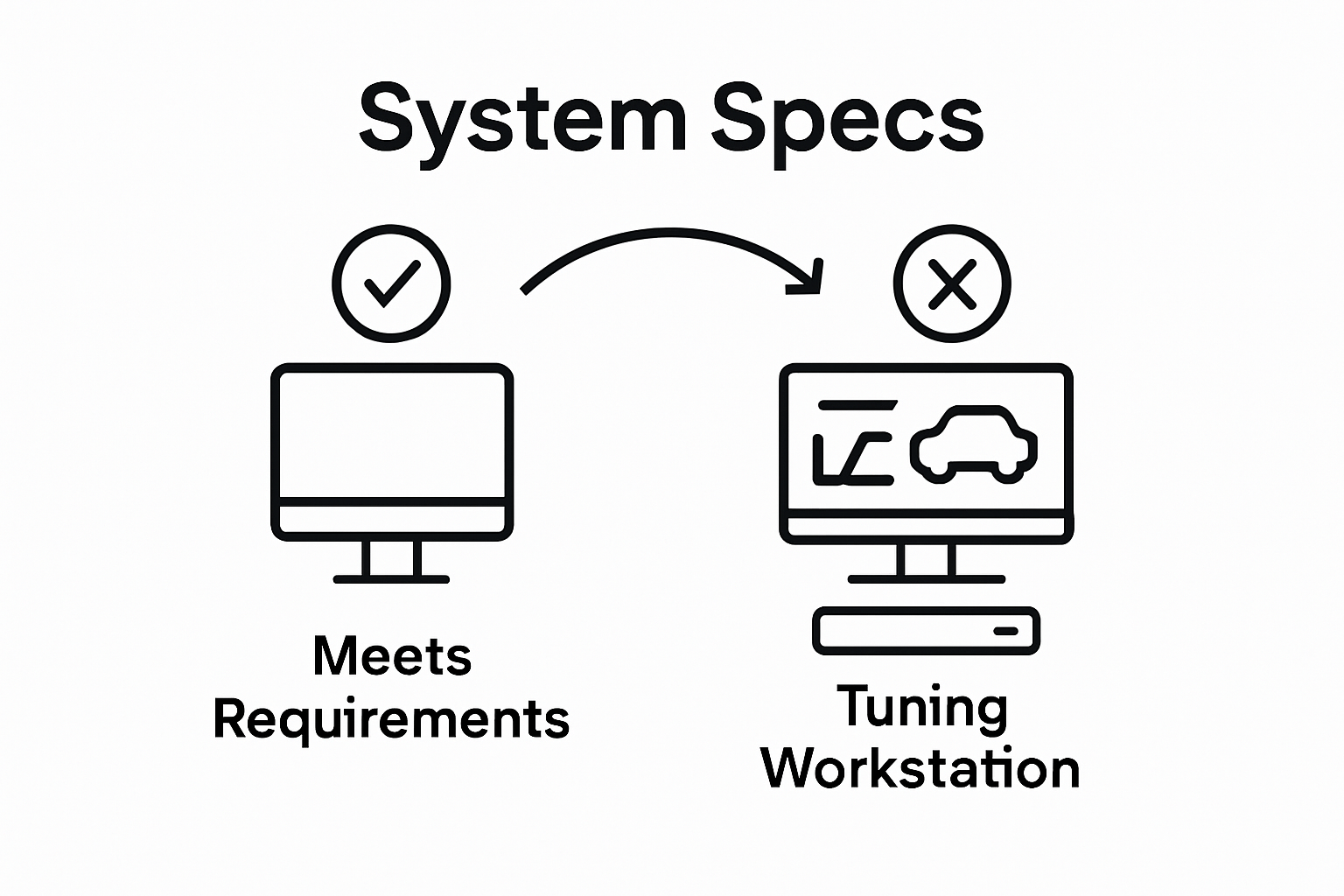
The following table compares the different ways that meeting or failing to meet minimum system requirements can affect vehicle performance, highlighting both positive and negative outcomes as discussed in the article.
| System Requirement Status | Impact on Performance Mapping | Engine Calibration | Safety & Reliability | Software/Hardware Issues |
|---|---|---|---|---|
| Meets Requirements | Accurate and precise | Enhanced and optimal | Maintained, manufacturer compliant | Minimal |
| Fails to Meet Requirements | Inaccurate, potentially flawed | Compromised, unstable | Potential failures, reduced safety | Increased risk of incompatibility |
Performance Optimization and Computational Precision
Research from the Society of Automotive Engineers demonstrates that meeting minimum system requirements directly impacts vehicle performance and safety. Advanced tuning processes demand sophisticated computational capabilities to process complex vehicle dynamics and make real-time adjustments. Without appropriate computing resources, tuners risk:
- Inaccurate performance mapping
- Compromised engine calibration
- Potential hardware or software compatibility issues
- Reduced modification effectiveness
- Increased risk of system failures
Safety and Stability Considerations
Meeting minimum system requirements transcends performance optimization and becomes a critical safety factor. Precise system specifications ensure that automotive modifications maintain vehicle stability, prevent potential mechanical failures, and preserve manufacturer-designed safety protocols. Automotive professionals recognize that inadequate computational resources can lead to:
- Imprecise electronic control adjustments
- Reduced responsiveness in critical driving scenarios
- Potential interference with vehicle safety systems
- Compromised diagnostic accuracy
For automotive enthusiasts seeking to understand the nuanced approach to tuning for improved fuel economy, recognizing the importance of robust system requirements becomes paramount. These technical foundations enable precise, safe, and effective vehicle performance enhancements while maintaining the delicate balance between modification and manufacturer specifications.
How Minimum System Requirements Influence ECU Solutions
Minimum system requirements play a pivotal role in determining the effectiveness, reliability, and performance of electronic control unit (ECU) solutions across automotive engineering. These requirements establish critical parameters that guide ECU design, programming, and implementation strategies.
Architectural Design and Performance Parameters
Research exploring FPGA-based ECU development highlights how system requirements fundamentally shape electronic architecture and computational capabilities. Modern ECU solutions must navigate complex design challenges that demand precise computational specifications:
- Real-time processing capabilities
- Modular programming infrastructure
- Thermal management considerations
- Signal processing efficiency
- Robust communication protocols
Software and Hardware Integration Dynamics
Successful ECU solutions require seamless integration between software algorithms and underlying hardware infrastructure. System requirements dictate how effectively electronic control units can interpret sensor data, manage engine parameters, and execute performance modifications. Automotive engineers must consider:
- Compatibility across different vehicle platforms
- Computational resource allocation
- Memory management techniques
- Performance scaling capabilities
- Diagnostic and error reporting mechanisms
For automotive professionals seeking deeper insights into ECU functionality, our comprehensive guide on how ECUs work provides advanced technical perspectives. Understanding these intricate relationships between minimum system requirements and ECU solutions enables more sophisticated vehicle performance optimization strategies, ensuring reliability, efficiency, and precision in automotive electronic systems.
Key Concepts of Minimum System Requirements in Automotive Technology
Minimum system requirements in automotive technology represent a sophisticated framework of technical specifications that define the fundamental computational, hardware, and software parameters essential for effective vehicle performance optimization and electronic control management.
Computational Infrastructure and Performance Standards
Research from the National Academies Press emphasizes the critical importance of developing adaptable system requirements that can accommodate evolving technological landscapes. Automotive technology demands computational infrastructures capable of supporting complex performance standards:
- Dynamic algorithm modifications
- Upgradable hardware components
- Robust environmental adaptation capabilities
- Scalable processing architectures
- Advanced sensor integration mechanisms
Diagnostic and Performance Calibration Principles
Modern automotive technologies require comprehensive diagnostic frameworks that enable precise performance calibration and system monitoring. These principles extend beyond traditional mechanical assessments, incorporating sophisticated electronic evaluation methodologies that provide nuanced insights into vehicle operational parameters:
- Real-time performance data acquisition
- Comprehensive sensor network analysis
- Predictive maintenance modeling
- Electronic system fault detection
- Performance optimization strategies
For automotive enthusiasts interested in exploring deeper technical perspectives, our comprehensive guide on automotive data logging offers advanced insights into the intricate world of vehicular performance monitoring and system requirement management. Understanding these foundational concepts empowers professionals to navigate the increasingly complex landscape of automotive technological innovation with precision and expertise.
Confident Tuning Starts With the Right System and the Right Files
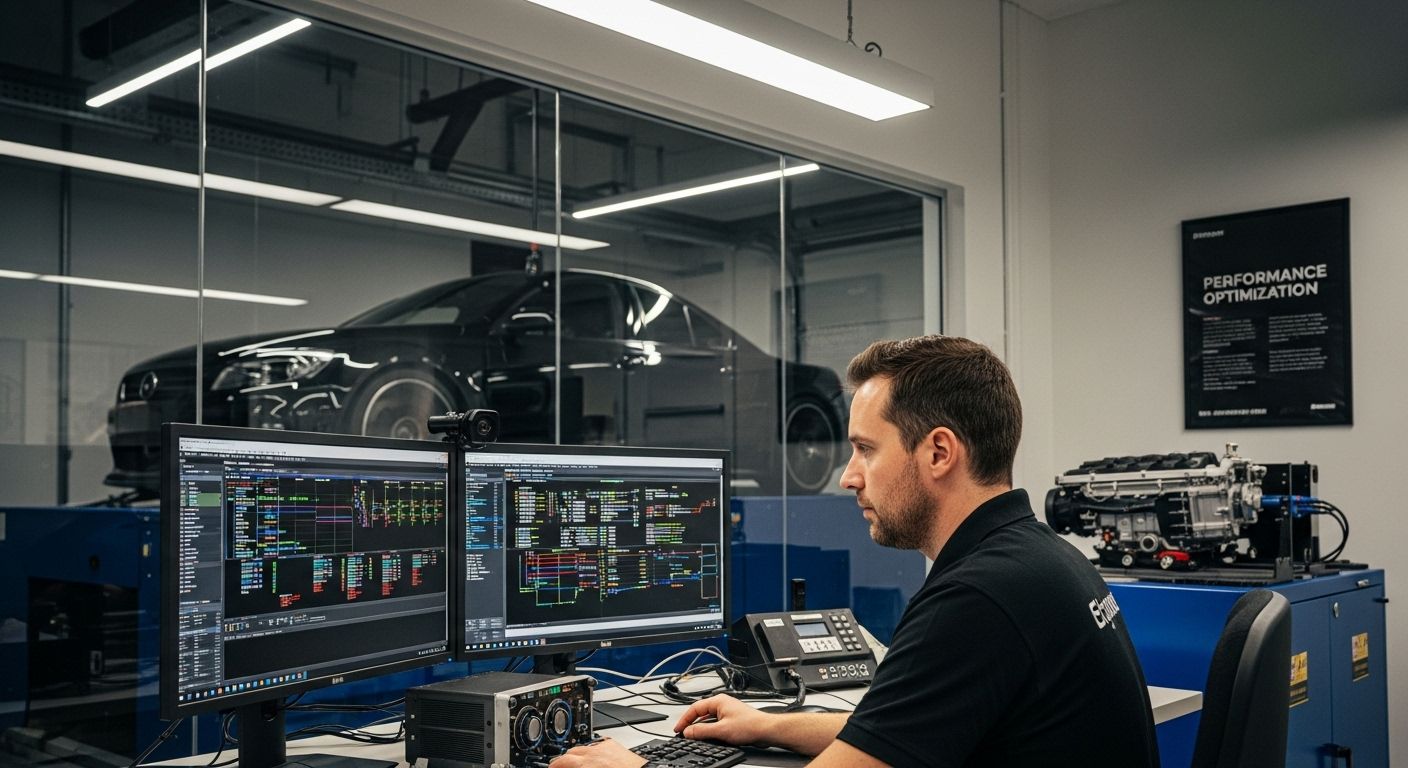
If you have ever struggled with slow software, missing files, or the risk of incorrect ECU data during vehicle tuning, you know how essential meeting minimum system requirements can be. As the article explains, technical limitations not only slow down performance optimization but can also compromise the reliability and safety of your work. At ECUFlashFiles.com, we understand that every successful tuning project relies on a solid technical foundation and access to verified tuning solutions. Our platform offers a vast selection of original factory files, tested tuning files, and exclusive DAMOS data—each designed to align perfectly with your hardware and software needs.

Don’t let outdated resources or system errors get in the way of your next ECU project. Find and download high-quality ECU files tailored to your car’s specifications with our easy-to-use search system. Get peace of mind knowing each file is tested, verified, and ready for your next performance upgrade. Take action now and unlock seamless tuning for your setup by visiting ECUFlashFiles.com today.
Frequently Asked Questions
What are the minimum system requirements for automotive tuning?
Minimum system requirements for automotive tuning typically include a processor speed of at least 1.5 GHz, a minimum of 4 GB RAM, a dedicated graphics card, multiple USB ports, and a stable power supply to ensure reliable tuning processes.
Why do minimum system requirements matter in automotive tuning?
Minimum system requirements are crucial because they impact the accuracy of performance mapping, ensure safe interactions with the ECU, and prevent compatibility issues that may lead to mechanical failures or reduced effectiveness of modifications.
How do system requirements affect ECU performance and reliability?
System requirements influence ECU performance by determining the computational resources available for real-time processing, modular programming, and effective communication between software and hardware, which are essential for executing vehicle performance modifications accurately.
What software should I use for automotive tuning with specific system requirements?
Automotive tuning software, such as TunerStudio, operates across various operating systems and is compatible with hardware supporting OBD-II and ECU communication protocols. Ensuring that your software version matches vehicle manufacturer specifications is important for optimal performance.