
Electric vehicle range anxiety is shaping the way people think about switching to greener cars. Even with all the buzz around high-tech EVs, nearly 60 percent of potential buyers still hesitate mainly because they fear getting stuck with a dead battery. Many assume the answer is bigger batteries or more charging stations everywhere. The real surprise is that studies show most drivers’ daily needs are already covered by current EV ranges and the anxiety is more about perception than actual risk.
Table of Contents
- What Is Electric Vehicle Range Anxiety?
- Why Does Electric Vehicle Range Anxiety Matter?
- How Electric Vehicle Range Anxiety Affects Drivers
- Key Factors Influencing Range Anxiety
- Technological Solutions To Mitigate Range Anxiety
Quick Summary
| Takeaway | Explanation |
|---|---|
| Range anxiety impacts EV adoption. | Drivers fear running out of battery, hindering electric vehicle purchases. |
| Infrastructure shapes range perceptions. | Limited charging stations create concerns about vehicle reliability and travel limitations. |
| Technological solutions alleviate anxiety. | Advanced systems offer real-time data and optimize charging strategies, boosting driver confidence. |
| Consumer education is essential. | Understanding the true capabilities of EVs can reduce psychological barriers to adoption. |
| Psychological factors vary among drivers. | Individual attitudes and experiences significantly affect perceptions of electric vehicle performance. |
What is Electric Vehicle Range Anxiety?
Electric vehicle range anxiety represents a psychological concern experienced by drivers contemplating or using electric vehicles (EVs), characterized by the persistent fear of running out of battery power before reaching their destination or a charging station. This phenomenon emerges from the fundamental differences between traditional internal combustion engine vehicles and electric vehicles regarding energy storage and recharging capabilities.
Understanding the Core Concept
Range anxiety stems from drivers’ apprehension about the limited driving distance electric vehicles can travel on a single battery charge. Unlike gasoline vehicles where refueling is quick and widely available, EV charging requires more time and strategic planning. The anxiety often manifests as a constant mental calculation of remaining battery percentage, potential charging station locations, and potential travel disruptions.
Key characteristics of electric vehicle range anxiety include:
- Concern about battery depletion during longer journeys
- Uncertainty regarding charging infrastructure availability
- Psychological stress about potential unexpected power shortages
- Reluctance to commit to extended travel plans
Psychological and Practical Implications
The impact of range anxiety extends beyond mere technical considerations. It represents a significant psychological barrier preventing wider electric vehicle adoption. Potential EV buyers often hesitate due to perceived limitations, even when actual technological capabilities might sufficiently meet their daily driving requirements.
According to the International Energy Agency, range anxiety remains a critical factor influencing consumer perceptions and purchasing decisions in the electric vehicle market. The concern is particularly pronounced among drivers who are accustomed to the extensive refueling infrastructure for traditional combustion engine vehicles.
While technological advancements continue to improve battery range and charging speeds, the psychological dimension of range anxiety persists.
Understanding this complex emotional response is crucial for manufacturers, policymakers, and consumers working to accelerate electric vehicle integration into mainstream transportation systems.
Why Does Electric Vehicle Range Anxiety Matter?
Electric vehicle range anxiety transcends individual driver concerns, representing a critical challenge in widespread electric vehicle adoption and sustainable transportation transformation. This psychological barrier impacts multiple stakeholders, from individual consumers to automotive manufacturers and environmental policymakers.
Economic and Market Implications
Range anxiety directly influences consumer purchasing decisions and market dynamics in the electric vehicle sector. Potential buyers remain hesitant to invest in electric vehicles due to perceived limitations in driving range and charging infrastructure. This reluctance creates significant economic barriers, potentially slowing technological innovation and market penetration of electric vehicles.
Key economic considerations include:
- Reduced consumer confidence in electric vehicle technology
- Potential delays in automotive industry investment and research
- Slower transition towards sustainable transportation solutions
- Financial challenges for electric vehicle manufacturers
Environmental and Technological Impact
Beyond immediate market considerations, range anxiety represents a substantial obstacle in addressing climate change and reducing transportation sector carbon emissions. By creating psychological resistance to electric vehicle adoption, this phenomenon indirectly contributes to continued reliance on fossil fuel-powered transportation.
Research from the University of California, Berkeley suggests that even with substantial battery degradation, most drivers’ daily travel needs can still be effectively met by electric vehicles. This indicates that range anxiety is often more perception-based than rooted in actual technological limitations.
Psychological and Social Dimensions
Range anxiety extends beyond technical specifications, representing a complex interplay of technological trust, personal comfort, and behavioral adaptation. The emotional investment in transportation choices means that overcoming range anxiety requires not just technological improvements, but also comprehensive consumer education and confidence-building strategies.
Understanding and addressing range anxiety is crucial for accelerating electric vehicle adoption, supporting sustainable transportation goals, and facilitating a meaningful transition towards environmentally responsible mobility solutions. As battery technologies improve and charging infrastructures expand, continued efforts to demystify and reduce range anxiety will be paramount in shaping future transportation landscapes.
How Electric Vehicle Range Anxiety Affects Drivers
Electric vehicle range anxiety profoundly impacts driver behavior, decision making, and overall driving experience, creating a complex psychological landscape that extends far beyond simple technological limitations. This anxiety manifests through multiple psychological and practical mechanisms that significantly alter driver interactions with electric vehicles.
Psychological Decision Making
Range anxiety introduces a persistent mental calculation process where drivers continuously evaluate their vehicle’s battery status, potential charging locations, and remaining travel distance. This constant background stress transforms the driving experience from a straightforward transportation method to a complex strategic navigation challenge.
Key psychological impacts include:
- Increased cognitive load during travel planning
- Heightened stress levels during longer journeys
- Reduced confidence in vehicle performance
- Continuous battery percentage monitoring
Driving Behavior Modifications
Drivers experiencing range anxiety frequently modify their driving patterns and strategies to mitigate potential battery depletion risks. These behavioral adaptations can include selecting more conservative routes, reducing vehicle speed, limiting climate control usage, and planning trips with extensive charging infrastructure research.
Research published in IET Intelligent Transport Systems highlights that drivers experience significantly reduced anxiety when provided with comprehensive battery state of health information and accurate range estimation systems.
Long Term Behavioral Consequences
Prolonged exposure to range anxiety can lead to more systemic behavioral changes in electric vehicle adoption and usage. Some drivers might delay electric vehicle purchases, choose hybrid alternatives, or maintain traditional combustion engine vehicles as backup transportation options.
The cumulative effect of range anxiety extends beyond individual driving experiences, potentially influencing broader consumer attitudes towards electric vehicle technology. By creating uncertainty and psychological barriers, range anxiety becomes a significant factor in the slower adoption of sustainable transportation solutions, demonstrating how emotional and perceptual factors can dramatically impact technological transitions.
Key Factors Influencing Range Anxiety
Range anxiety in electric vehicles emerges from a complex interplay of technological, psychological, and infrastructural factors. Understanding these interconnected elements provides deeper insight into why drivers experience persistent concerns about electric vehicle performance and reliability.
Technological Limitations
The core technological factors contributing to range anxiety center on battery performance, charging capabilities, and vehicle design. Electric vehicle batteries represent the primary source of driver uncertainty, with variations in battery capacity, charging speed, and energy efficiency creating significant psychological barriers.
Critical technological considerations include:
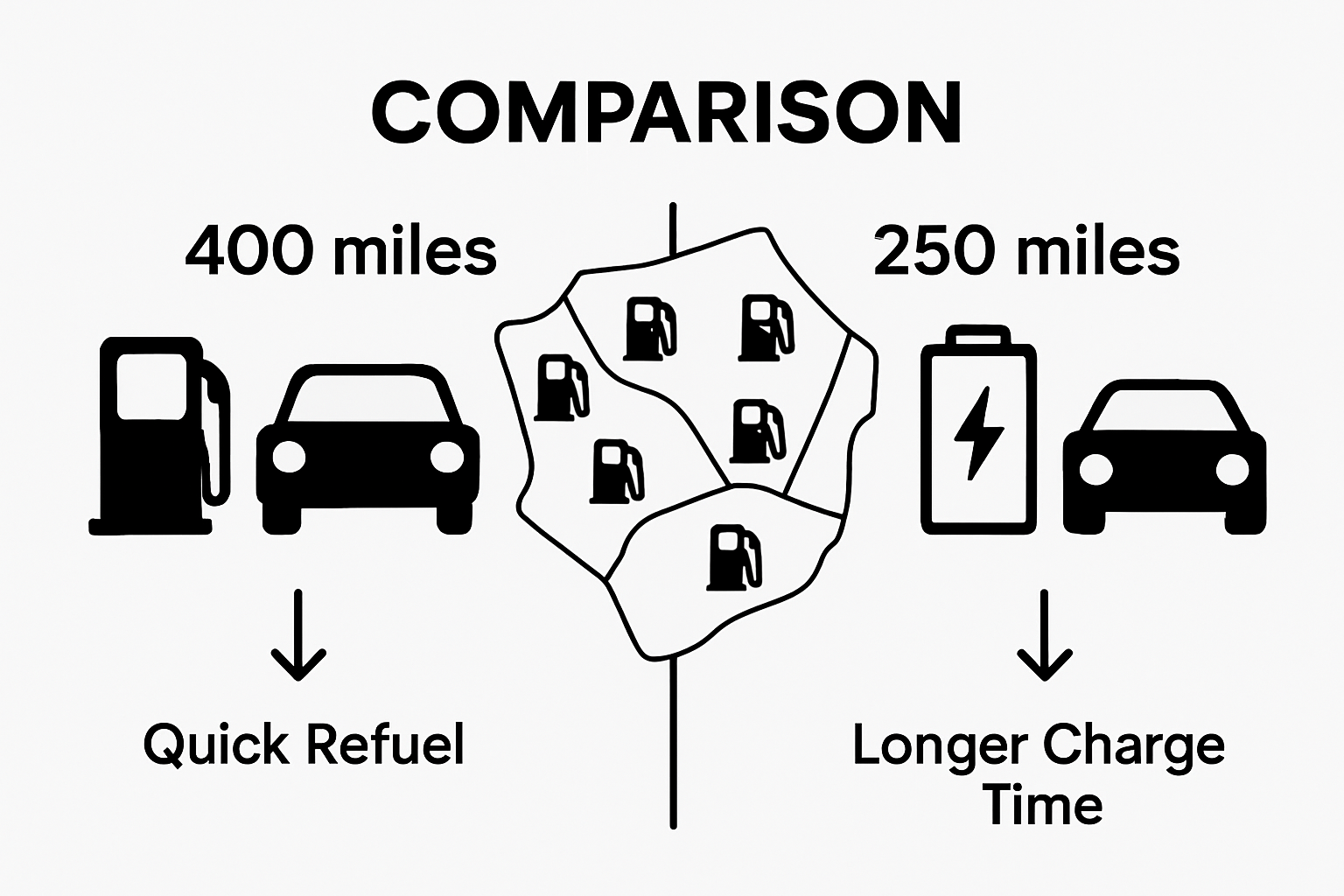
- Battery capacity and energy storage efficiency
- Charging infrastructure speed and accessibility
- Vehicle energy consumption rates
- Battery performance in varying environmental conditions
- Accuracy of onboard range estimation systems
Infrastructure and Geographical Challenges
Charging infrastructure plays a pivotal role in shaping range anxiety perceptions. Regions with sparse charging networks intensify driver concerns about potential battery depletion during travel. The geographical distribution of charging stations, their reliability, and compatibility with different electric vehicle models directly impact driver confidence and perceived travel limitations.
Research on driving experience demonstrates that drivers with more extensive electric vehicle experience exhibit significantly reduced range anxiety, suggesting that infrastructure familiarity and technological understanding are crucial in mitigating psychological barriers.
Personal and Psychological Factors
Individual driver characteristics substantially influence range anxiety experiences. Factors such as personal risk tolerance, technological comfort, previous automotive experiences, and travel habits contribute to the psychological perception of electric vehicle limitations.
Drivers with higher technological literacy and positive predispositions towards innovative transportation solutions tend to experience less range anxiety. Conversely, individuals accustomed to traditional combustion engine vehicles may find the transition more challenging, amplifying their concerns about electric vehicle reliability and performance.
Understanding these multifaceted influences allows manufacturers, policymakers, and consumers to develop more comprehensive strategies for addressing and reducing range anxiety, ultimately facilitating smoother electric vehicle adoption and technological integration.
To clarify the specific factors that contribute to electric vehicle range anxiety, here is a breakdown of the key categories and their main characteristics.
| Factor Category | Description | Examples / Key Points |
|---|---|---|
| Technological Limitations | Concerns stemming from battery capabilities and vehicle design | Battery capacity, charging speed, range estimation |
| Infrastructure & Geographical | Issues related to the density and location of charging stations | Sparse charging network, station compatibility |
| Personal & Psychological | Individual attitudes and travel habits that shape perceived risk and comfort | Risk tolerance, previous experiences, tech literacy |
By organizing these influences, drivers and industry stakeholders can better identify targeted strategies to reduce range anxiety.
Technological Solutions to Mitigate Range Anxiety
As electric vehicle technology advances, innovative solutions are emerging to directly address and minimize driver concerns about vehicle range and battery performance. These technological interventions aim to provide comprehensive strategies that enhance driver confidence and reduce psychological barriers associated with electric vehicle usage.
Advanced Battery Management Systems
Modern electric vehicles are increasingly equipped with sophisticated battery management systems that offer real-time insights and predictive capabilities. These systems go beyond traditional range displays, providing drivers with nuanced information about battery health, energy consumption patterns, and optimized charging recommendations.
Key technological advancements include:
- Intelligent range prediction algorithms
- Dynamic energy consumption visualization
- Personalized efficiency recommendations
- Predictive maintenance alerts
- Adaptive charging strategy suggestions
Comprehensive Charging Network Integration
Technology is bridging the gap between electric vehicles and charging infrastructure through advanced navigation and connectivity solutions. Smart navigation systems now incorporate real-time charging station information, allowing drivers to plan routes with comprehensive charging infrastructure awareness.
Features of integrated charging network technologies encompass:
- Live charging station availability tracking
- Route optimization with charging point integration
- Compatibility verification across different charging networks
- Automated charging station reservation systems
User Interface and Psychological Design
Design innovations are focusing on creating user interfaces that reduce range anxiety through transparent, intuitive information presentation. By transforming complex battery and range data into easily digestible visual representations, manufacturers are helping drivers feel more confident and in control.
Research from the Electric Power Research Institute indicates that user-centric technological design can significantly reduce psychological barriers to electric vehicle adoption. By providing clear, accessible information about vehicle performance and charging capabilities, these interfaces help demystify electric vehicle technology.
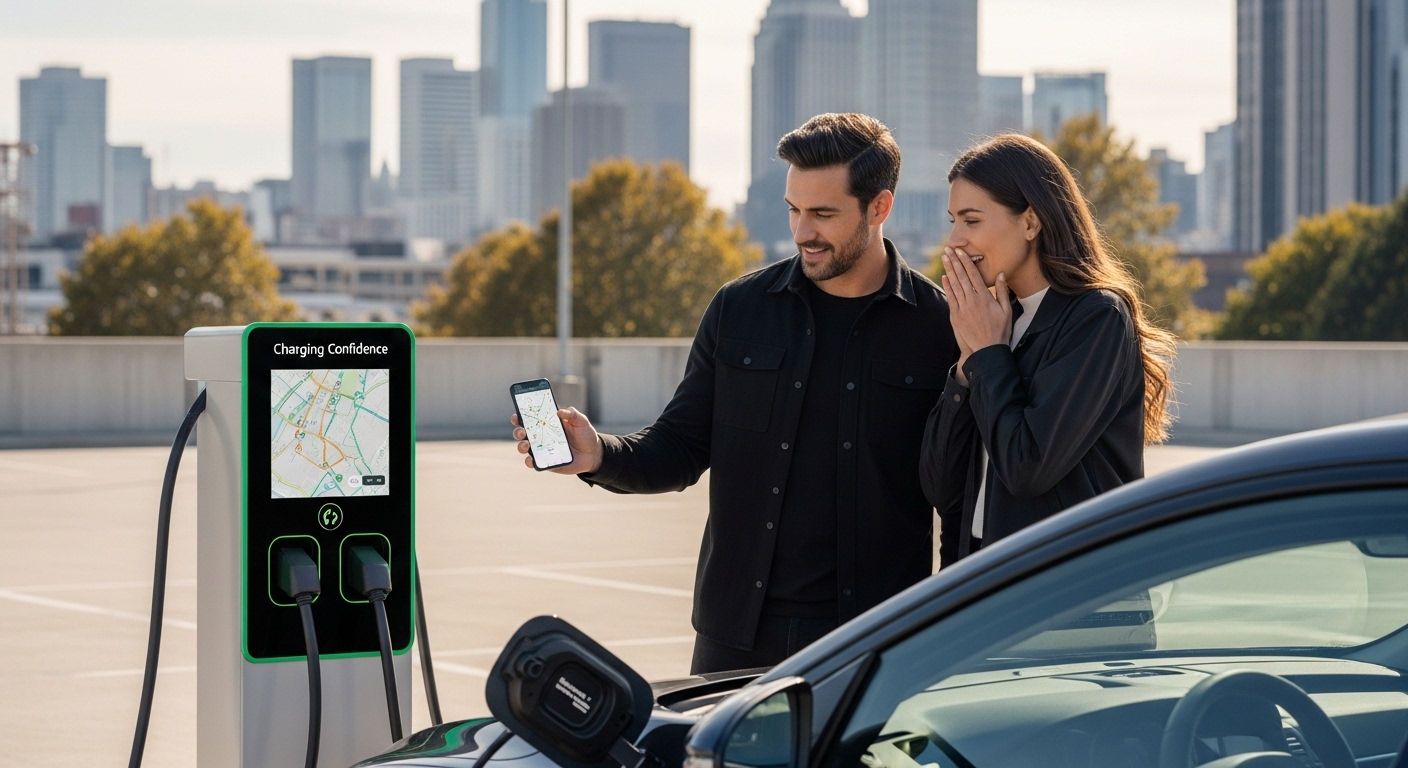
These technological solutions represent a holistic approach to mitigating range anxiety, combining advanced hardware, intelligent software, and user-centered design to transform driver perceptions and experiences with electric vehicles.
The following table summarizes the main technological solutions described in the article that help reduce electric vehicle range anxiety by improving information, planning, and usability.
| Solution Type | Key Features | Impact on Drivers |
|---|---|---|
| Advanced Battery Management Systems | Real-time data, predictive maintenance, dynamic range estimates | Builds trust in range estimates, reduces stress |
| Charging Network Integration | Live station status, route planning, compatibility checks | Eases travel planning, avoids ‘range trap’ |
| User Interface & Psychological Design | Visual cues, user-friendly displays, intuitive information access | Minimizes confusion, boosts driver confidence |
This comparison helps clarify how each solution targets different aspects of the range anxiety experience.
Turn Range Anxiety Into Complete Driving Confidence
Struggling with electric vehicle range anxiety often means feeling uncertain about your car’s performance, especially when you worry about battery levels, power limitations, and unpredictable trips. Many drivers face this stress because they are unsure if their vehicle’s engine management system is working at its best or if they can trust the information from their battery management and performance displays. If you want reliable power and accurate range estimates that match your real-world needs, ECU tuning and professional ECU file solutions can make a difference.

Get more out of your driving experience by visiting ECUFlashFiles.com. Take control over your vehicle’s range and efficiency with our tested original ECU files and ECU tuning solutions. Whether you need precise data recovery, improved power delivery, or perfectly calibrated engine management, our expert resources help erase doubt and make every EV journey worry-free. Act today to experience the reassurance that comes from driving a vehicle tuned for performance and peace of mind.
Frequently Asked Questions
What is electric vehicle range anxiety?
Electric vehicle range anxiety is the fear of running out of battery power before reaching a destination or charging station, often stemming from the limited driving distance that electric vehicles can travel on a single charge.
What causes electric vehicle range anxiety?
Range anxiety is primarily caused by concerns about battery depletion during longer journeys, uncertainty about charging infrastructure availability, and the psychological stress associated with unexpected power shortages.
How does range anxiety affect electric vehicle drivers?
Range anxiety can lead to increased cognitive load during travel planning, heightened stress levels on longer trips, and may cause drivers to modify their behavior, such as choosing more conservative routes or limiting climate control usage.
What are some technological solutions to mitigate range anxiety?
Technological solutions include advanced battery management systems that provide real-time insights on battery health and consumption, comprehensive charging network integration for optimal route planning, and user-friendly interfaces that simplify information on vehicle performance and charging capabilities.