
Performance tuning sounds like something reserved for high-end racecars or exotic vehicles. Yet, over 60 percent of professional fleet operators now rely on advanced tuning to boost efficiency and lower costs. Most folks picture tuning as cranking up horsepower, but the real story is all about smarter engines, longer lifespans, and surprising gains far beyond raw speed.
Table of Contents
- What Is Tuning For Performance And Its Significance
- The Impact Of Tuning On Vehicle Performance And Efficiency
- Key Principles Behind How Tuning For Performance Works
- Common Tools And Techniques Used In Performance Tuning
- Real-World Applications And Case Studies In Automotive Tuning
Quick Summary
| Takeaway | Explanation |
|---|---|
| Performance tuning optimizes vehicle capabilities. | It enhances power output, efficiency, and overall driving dynamics beyond factory settings. |
| Key tuning methods include ECU modifications. | Adjustments to fuel injection, ignition timing, and airflow maximize engine performance and efficiency. |
| Professional expertise is crucial for tuning. | Poor modifications can lead to reliability issues; skilled tuners balance performance gains with safety. |
| Tuning extends benefits to commercial vehicles. | It improves fuel efficiency and reduces operational costs for fleets, enhancing overall functionality. |
| Advanced computational methods guide tuning. | Techniques like predictive modeling and real-time data analysis optimize modifications and predict outcomes. |
What is Tuning for Performance and Its Significance
Tuning for performance represents a strategic approach to optimizing automotive systems to enhance vehicle capabilities, power output, and overall mechanical efficiency. At its core, this process involves carefully modifying an engine’s electronic control unit (ECU) and mechanical components to extract maximum potential beyond factory specifications.
Understanding Performance Tuning Fundamentals
Performance tuning is a complex discipline that bridges mechanical engineering and electronic optimization. Automotive enthusiasts and professional tuners utilize sophisticated techniques to modify engine parameters, allowing vehicles to achieve superior power, improved acceleration, and enhanced overall driving dynamics. The primary objective is not merely increasing horsepower but creating a harmonious balance between power, efficiency, and reliability.
Key aspects of performance tuning include:
- Adjusting fuel injection timing
- Recalibrating ignition advance curves
- Modifying air intake and exhaust flow characteristics
- Optimizing electronic control unit (ECU) parameters
According to SAE International, professional tuning requires deep understanding of thermodynamics, combustion science, and advanced electronic systems. Successful tuning demands precise measurements, sophisticated diagnostic tools, and comprehensive knowledge of automotive engineering principles.
Performance Tuning Economic and Technical Implications
Beyond pure mechanical enhancement, tuning for performance carries significant economic and technical implications. Professional tuners can help vehicle owners maximize their investment by improving fuel efficiency, extending engine longevity, and enhancing overall vehicle performance. Modern performance tuning leverages advanced computational models and real-time data analysis to make intelligent, targeted modifications.
The significance of performance tuning extends across multiple domains:
- Motorsport competition optimization
- Custom vehicle personalization
- Industrial and commercial fleet performance enhancement
- Research and development of advanced automotive technologies
While performance tuning offers remarkable potential, it requires meticulous expertise. Improper modifications can lead to mechanical stress, decreased reliability, and potential system failures. Professional tuners must balance aggressive performance gains with maintaining manufacturer-recommended operational parameters.
Below is a table summarizing the key aspects and technical implications of performance tuning in automotive systems for easy reference.
| Aspect | Description |
|---|---|
| Core Purpose | Optimize vehicle capabilities, power output, and efficiency beyond factory specs |
| Technical Focus | Modify ECU settings and mechanical components for ideal power/efficiency balance |
| Required Expertise | Deep knowledge of engineering, thermodynamics, and electronics; precise tools and measurements |
| Benefits | Improved acceleration, fuel efficiency, and vehicle longevity; customization for specific needs |
| Economic Impact | Maximizes investment, lowers maintenance and operational costs, enhances long-term performance |
| Risks | Improper tuning may cause mechanical stress or failure; professional intervention is recommended |
| Application Domains | Motorsport, custom vehicles, industrial fleets, R&D |
The Impact of Tuning on Vehicle Performance and Efficiency
Tuning for performance represents a sophisticated process of transforming vehicle capabilities through strategic electronic and mechanical modifications. The impact extends far beyond simple power enhancement, fundamentally reshaping how automotive systems operate and interact.
Performance Transformation Mechanisms
At the heart of performance tuning lies the intricate manipulation of engine parameters. By precisely adjusting electronic control unit (ECU) settings, tuners can unlock significant improvements in vehicle dynamics. These modifications target critical system interactions, enabling more efficient combustion, improved power delivery, and optimized energy conversion.
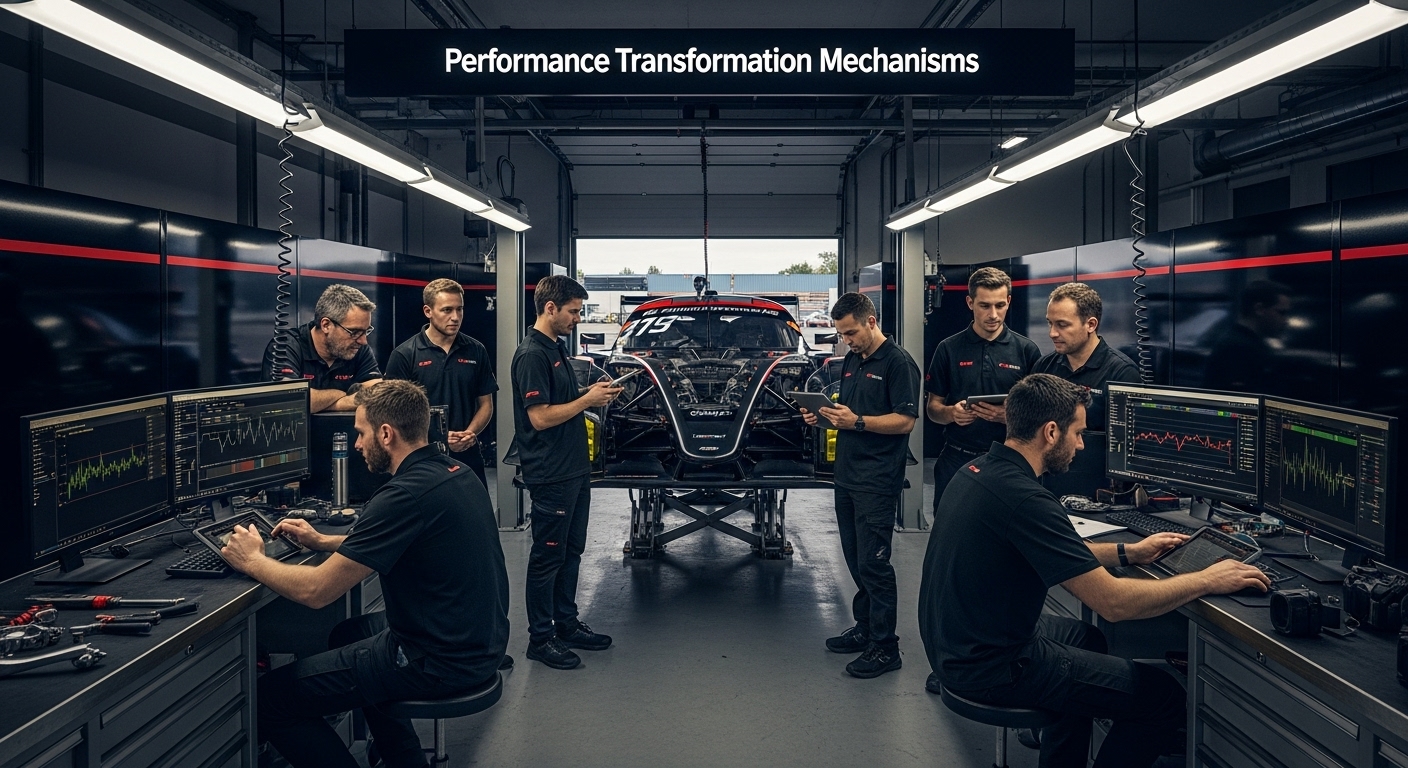
Key performance transformation mechanisms include:
- Recalibrating fuel injection timing
- Optimizing air intake and exhaust flow characteristics
- Adjusting ignition advance curves
- Fine-tuning electronic control parameters
According to SAE International research, strategic tuning can yield substantial gains in both power output and operational efficiency. Professional tuners leverage advanced computational models to make precise, targeted modifications that enhance overall vehicle performance.
Efficiency and Economic Implications
Performance tuning delivers multifaceted benefits that extend beyond raw power generation. By optimizing engine parameters, vehicles can achieve improved fuel efficiency, reduced emissions, and enhanced longevity. Our specialized ECU tuned files demonstrate how intelligent modifications can transform vehicle capabilities.
The economic implications are profound. Professional tuning enables vehicle owners to:
This table presents a side-by-side comparison of how performance tuning impacts both technical performance and economic outcomes in automotive applications.
| Impact Area | Performance Tuning Effect |
|---|---|
| Power Output | Increases horsepower and torque for enhanced driving performance |
| Fuel Efficiency | Improves combustion and energy conversion, reducing fuel consumption |
| Emissions | Lowers emissions through optimized engine operation |
| Engine Longevity | Extends engine life by balancing stress and efficiency |
| Maintenance Costs | Reduces long-term repairs and maintenance expenses |
| Operational Costs | Lowers fleet and commercial vehicle operating expenses |
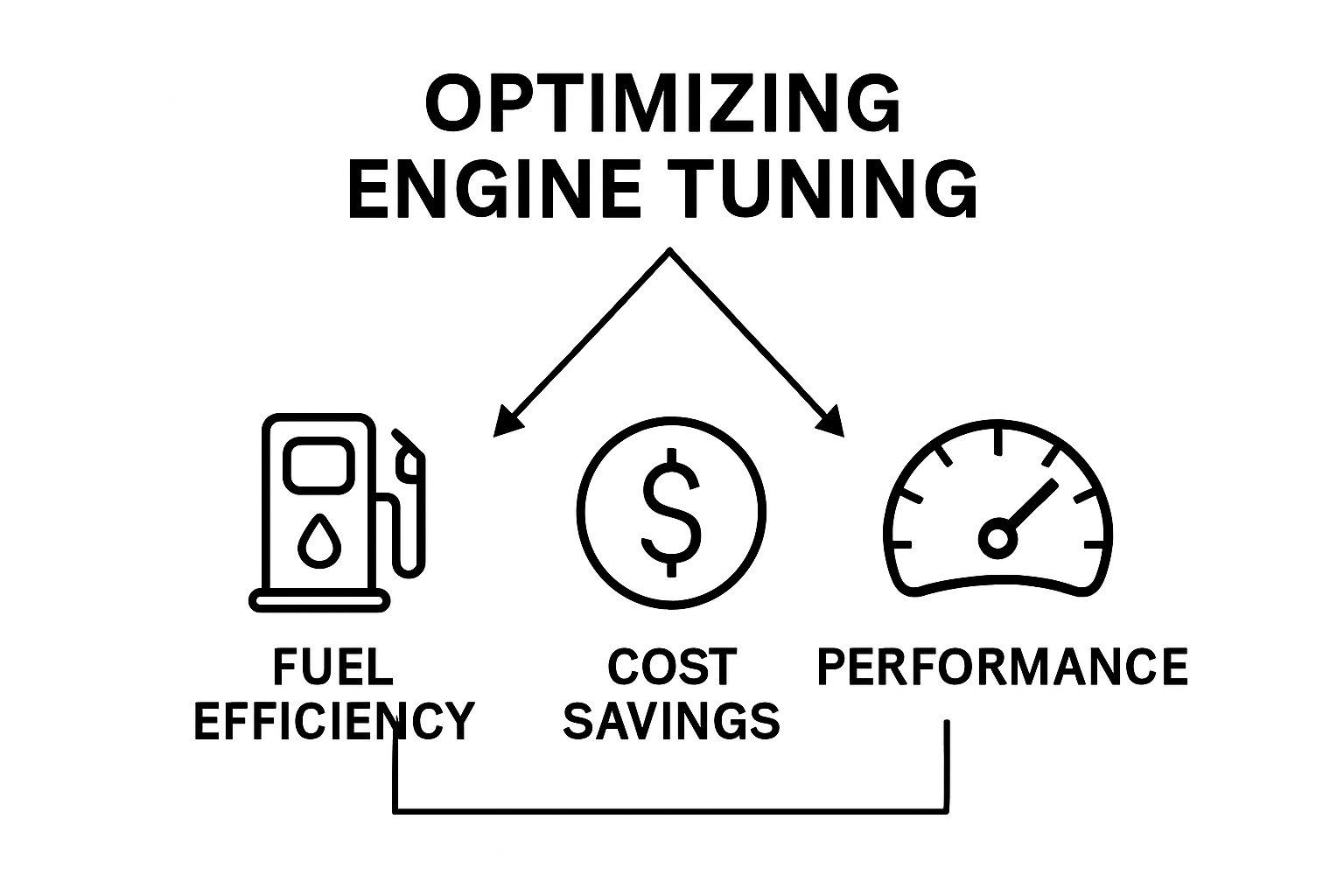
- Maximize return on automotive investment
- Reduce long-term maintenance costs
- Improve overall vehicle performance
- Enhance fuel consumption efficiency
However, successful performance tuning requires exceptional technical expertise. Improper modifications can potentially compromise engine reliability, emphasizing the critical need for professional intervention and sophisticated diagnostic capabilities.
Key Principles Behind How Tuning for Performance Works
Performance tuning is a sophisticated engineering discipline that transforms automotive systems through precise, data-driven modifications. Unlike generic adjustments, this process involves intricate understanding of complex mechanical and electronic interactions within vehicle powertrains.
Computational Optimization Strategies
At the core of performance tuning are advanced computational methods that analyze and recalibrate engine parameters. Modern tuning approaches leverage sophisticated algorithmic models that simulate potential modifications before physical implementation. These computational strategies enable professionals to predict performance outcomes with remarkable accuracy.
Key computational optimization techniques include:
- Parametric sensitivity analysis
- Machine learning-based predictive modeling
- Real-time data correlation and interpretation
- Dynamic system response mapping
According to research from the Society of Automotive Engineers, case-based reasoning techniques are increasingly employed to optimize engine performance tuning. These methods allow tuners to adapt successful configurations from similar engine architectures, significantly reducing trial-and-error experimentation.
Systemic Performance Modification Principles
Successful performance tuning requires holistic understanding of automotive systems. Tuners must comprehend the delicate balance between various interconnected components, recognizing that modifying one parameter inevitably impacts multiple system characteristics. Precision and systemic thinking are paramount.
Critical performance modification principles encompass:
- Maintaining optimal thermal management
- Preserving critical mechanical tolerances
- Ensuring balanced power and efficiency
- Preventing unintended stress on mechanical components
Our specialized ECU tuned files demonstrate these principles by providing meticulously calibrated configurations that respect fundamental engineering constraints while unlocking enhanced performance potential.
Ultimately, performance tuning transcends simple mechanical adjustments. It represents a sophisticated dialogue between human expertise, computational intelligence, and automotive engineering principles, requiring deep technical understanding and an ability to interpret complex systemic interactions.
Common Tools and Techniques Used in Performance Tuning
Performance tuning represents a sophisticated technological discipline requiring specialized tools and advanced diagnostic techniques. Professional automotive tuners leverage an intricate ecosystem of hardware and software solutions to extract maximum potential from vehicle systems.
Diagnostic and Measurement Instrumentation
Electronic diagnostic interfaces form the foundational infrastructure for modern performance tuning. These sophisticated systems enable real-time data acquisition, precise parameter measurement, and comprehensive system analysis. Professional tuners utilize multifunctional scanning tools that provide granular insights into engine performance characteristics.
Critical diagnostic instrumentation includes:
- On-board diagnostic (OBD) scanners
- Advanced ECU programming interfaces
- High-precision voltage and current measurement devices
- Multichannel data logging systems
- Dynamometer testing equipment
According to research exploring automated performance tuning methodologies, advanced computational techniques are increasingly integrated into diagnostic processes, enabling more nuanced and efficient system optimization.
Software and Computational Tuning Platforms
Modern performance tuning relies heavily on sophisticated software platforms that simulate, analyze, and optimize vehicle systems. Computational modeling allows tuners to predict modification outcomes before physical implementation, reducing risks and maximizing efficiency.
Key software and computational techniques involve:
- Machine learning-based predictive modeling
- Dynamic system response simulation
- Real-time parameter correlation algorithms
- Automated configuration optimization
Our specialized ECU tuned files demonstrate the power of advanced computational tuning, providing meticulously calibrated configurations that unlock enhanced performance potential.
Ultimately, performance tuning tools represent a complex intersection of hardware diagnostics, computational intelligence, and deep automotive engineering expertise. Successful tuning demands not just advanced instrumentation, but a holistic understanding of automotive system dynamics.
Real-World Applications and Case Studies in Automotive Tuning
Automotive performance tuning transcends theoretical concepts, manifesting in diverse practical scenarios across multiple industries and vehicle applications. Professional tuners leverage sophisticated techniques to address complex performance challenges and unlock unprecedented vehicle capabilities.
Motorsport Performance Enhancement
Competitive racing environments represent the ultimate proving ground for performance tuning methodologies. Motorsport teams invest substantial resources in precision tuning, where milliseconds determine competitive success. Professional racing engineers employ advanced computational modeling and real-time data analysis to optimize vehicle systems beyond manufacturer specifications.
Key motorsport performance tuning strategies include:
- Dynamically adjusting power delivery characteristics
- Optimizing thermal management systems
- Implementing lightweight performance modifications
- Developing custom ECU mapping for specific track conditions
According to research exploring multi-fidelity optimization techniques, advanced computational methods are revolutionizing how racing teams approach vehicle performance, enabling more nuanced and efficient system optimization.
Industrial and Commercial Vehicle Applications
Performance tuning extends far beyond motorsports, delivering significant benefits in commercial and industrial vehicle sectors. Fleet operators and transportation companies utilize sophisticated tuning techniques to enhance fuel efficiency, reduce operational costs, and improve overall vehicle reliability.
Critical commercial tuning applications encompass:
- Reducing fuel consumption in long-haul transportation
- Enhancing load-carrying capabilities
- Improving engine longevity and maintenance intervals
- Adapting vehicle performance to specific operational environments
Our specialized ECU tuned files demonstrate the practical implementation of advanced tuning strategies across various vehicle platforms.
Ultimately, real-world performance tuning represents a complex intersection of engineering expertise, computational intelligence, and practical problem-solving. Success demands not just technical knowledge, but a holistic understanding of vehicle systems and operational contexts.
Ready to Unlock True Automotive Performance?
If you are frustrated by factory limitations holding back your vehicle or uncertain about safe, effective ways to enhance performance, you are not alone. The article explained how careful adjustments to electronic control modules and meticulous data-driven tuning can open the door to more power, greater efficiency, and superior reliability. But achieving optimal tuning means more than guesswork—it demands proven ECU files, real expertise, and total precision.

Experience the confidence that comes from using tested, professionally calibrated ECU tuning files designed for your make and model. Every file on ECUFlashFiles.com is backed by over 20 years of real-world tuning experience, secure instant delivery, and verified results. Whether you need original ECU files for repairs or recovery or performance-remapped solutions, our detailed search and expert support make it fast to get exactly what you need. Do not let missing files or uncertain quality keep you from reaching your goals—act now to access high-quality ECU solutions and start transforming your automotive performance today.
Frequently Asked Questions
What is performance tuning in automotive systems?
Performance tuning refers to the process of optimizing vehicle systems to enhance capabilities, power output, and mechanical efficiency through modifications to the engine’s ECU and components.
What are the key components involved in performance tuning?
Key components include adjusting fuel injection timing, recalibrating ignition advance curves, modifying air intake and exhaust flow, and optimizing electronic control unit (ECU) parameters.
How does performance tuning impact fuel efficiency?
Performance tuning can improve fuel efficiency by optimizing engine parameters, which enables more efficient combustion and energy conversion while reducing emissions and extending engine longevity.
What tools are commonly used for performance tuning?
Common tools include electronic diagnostic interfaces, OBD scanners, ECU programming interfaces, data logging systems, and computational modeling software for precise adjustments and simulations.
Recommended
- ECU Tuned File | stage 1 | VW Transporter Bosch EDC17CP20 EDC17 CB.03.15.00 C34.00 1.0 03L906022CD
- Chip tuning Nissan Skyline 02.mai 2006 – ECU Hitachi hitachi SW ZMD6222
- Tunned file for Toyota Supra Bosch MG1CS201
- Tunned file for Subaru WRX Denso SH7058 GW MSR_RFCC_SHCV9 FE9D452WXM
- Tunned file for Chip tuning Chevrolet Camaro 6.2 V8 SS 455hp 2021 – ECU Delco E92 SW 12712197