
Car enthusiasts dream about extra power and sharper acceleration, and performance tuning files make that real by tapping directly into the digital heart of a vehicle’s engine. Most people assume you need new hardware or expensive mechanical changes to boost performance. But updating the right ECU file can push your horsepower up by as much as 25 percent, all with a software tweak. The real surprise is how this subtle digital edit quietly turns factory limits into brand new driving possibilities.
Table of Contents
- What Are Performance Tuning Files?
- The Importance of Performance Tuning Files in Automotive Tuning
- How Performance Tuning Files Affect Engine Performance
- Key Concepts and Terms in Performance Tuning Files
- Real-World Applications and Examples of Performance Tuning Files
Quick Summary
| Takeaway | Explanation |
|---|---|
| Performance tuning files optimize ECU settings | These digital files modify existing ECU parameters to improve vehicle performance and efficiency. |
| Key parameters include fuel and ignition timing | Critical adjustments made in tuning files affect fuel injection, boost pressure, and throttle response. |
| Enhancements provide measurable performance gains | Expect horsepower increases of 10% to 25% through algorithmic recalibrations on various engine metrics. |
| Non-invasive tuning is more flexible than hardware upgrades | Performance tuning files enhance capabilities without significant physical modifications, offering cost-effective solutions. |
| Customization varies by vehicle type and use | Different vehicles, like trucks versus sports cars, require tailored tuning approaches to maximize performance. |
What are Performance Tuning Files?
Performance tuning files are specialized digital configurations designed to optimize the operational parameters of a vehicle’s Engine Control Unit (ECU). These files represent a sophisticated approach to enhancing vehicle performance by strategically modifying the manufacturer’s original software settings.
Understanding ECU File Modifications
At the core of performance tuning files are precise adjustments to critical engine management parameters. These digital modifications target specific aspects of vehicle performance, including fuel injection timing, boost pressure, ignition advance, and overall engine mapping. Research from SAE International highlights that systematic tuning can significantly improve a vehicle’s power output, fuel efficiency, and overall driving characteristics.
Key elements typically modified in performance tuning files include:
- Fuel injection timing and volume
- Turbocharger/supercharger boost pressure
- Ignition timing and advance curves
- Throttle response sensitivity
- Rev limiter adjustments
Technical Foundations of Performance Tuning
Performance tuning files work by rewriting the binary code within the ECU, replacing manufacturer-defined parameters with optimized settings. This process requires deep understanding of vehicle electronics and precise algorithmic modifications. According to the ‘ACTT: Automotive CAN Tokenization and Translation’ research, these modifications leverage intricate mappings of Controller Area Network (CAN) messages to translate binary data into performance enhancements.
For automotive enthusiasts seeking to explore advanced tuning options, read more about our specialized ECU tuned files that provide tailored solutions for specific vehicle models. These files represent a sophisticated intersection of automotive engineering and digital optimization, enabling vehicle owners to unlock enhanced performance potential beyond factory specifications.
The Importance of Performance Tuning Files in Automotive Tuning
Performance tuning files have emerged as a critical technological solution for automotive enthusiasts and professionals seeking to maximize vehicle potential beyond factory specifications. These digital configurations represent a sophisticated approach to vehicle optimization, enabling precise control and enhancement of automotive performance.
Performance Enhancement and Efficiency
Modern performance tuning files offer significant advantages in vehicle dynamics and operational efficiency. Chapter 13 of ‘The Car Hacker’s Handbook’ emphasizes how strategic ECU modifications can transform a vehicle’s performance characteristics. The primary benefits include:
- Increased horsepower and torque output
- Improved fuel consumption efficiency
- Enhanced throttle response and acceleration
- Optimized engine behavior across different driving conditions
- Customized performance profiles for specific driving requirements
Technical Precision and Data-Driven Optimization
The true value of performance tuning files lies in their ability to leverage precise data mapping and algorithmic modifications. Professional tuners utilize advanced diagnostic tools to capture real-time vehicle performance data, enabling granular adjustments that go beyond traditional mechanical tuning methods. Learn more about our specialized VW Transporter tuning solutions that demonstrate the cutting-edge approach to vehicle performance optimization.
Unlike traditional mechanical upgrades, performance tuning files offer a non-invasive method of enhancing vehicle capabilities. By rewriting ECU software parameters, these files can unlock performance potential without requiring extensive physical modifications to the vehicle’s hardware.
To clarify the different benefits and characteristics of performance tuning files compared to traditional hardware upgrades, the table below summarizes key distinctions referenced in the article.
| Feature | Performance Tuning Files | Hardware Upgrades |
|---|---|---|
| Modification Type | Software-based/non-invasive | Physical/invasive |
| Flexibility | High customization per vehicle | Limited to parts available |
| Installation Time | Quick, requires digital upload | Time-consuming, requires labor |
| Cost | Generally lower | Higher equipment and labor costs |
| Reversibility | Easily reversible | Often permanent or costly to undo |
How Performance Tuning Files Affect Engine Performance
Performance tuning files fundamentally transform an engine’s operational characteristics by strategically recalibrating critical Electronic Control Unit (ECU) parameters. These digital interventions enable precise modifications that directly impact the vehicle’s power generation, efficiency, and overall performance envelope.
Fundamental Performance Modifications
Engine performance is dramatically influenced through targeted adjustments in multiple critical parameters. Research from SAE International demonstrates how strategic modifications can substantially enhance engine capabilities. Key performance transformation areas include:
- Injection timing precision
- Boost pressure optimization
- Air-fuel mixture ratios
- Ignition advance curves
- Throttle response sensitivity
Quantitative Performance Enhancements
Performance tuning files enable quantifiable improvements across multiple engine performance metrics. Horsepower gains typically range between 10% to 25%, depending on the vehicle’s baseline configuration and tuning complexity.
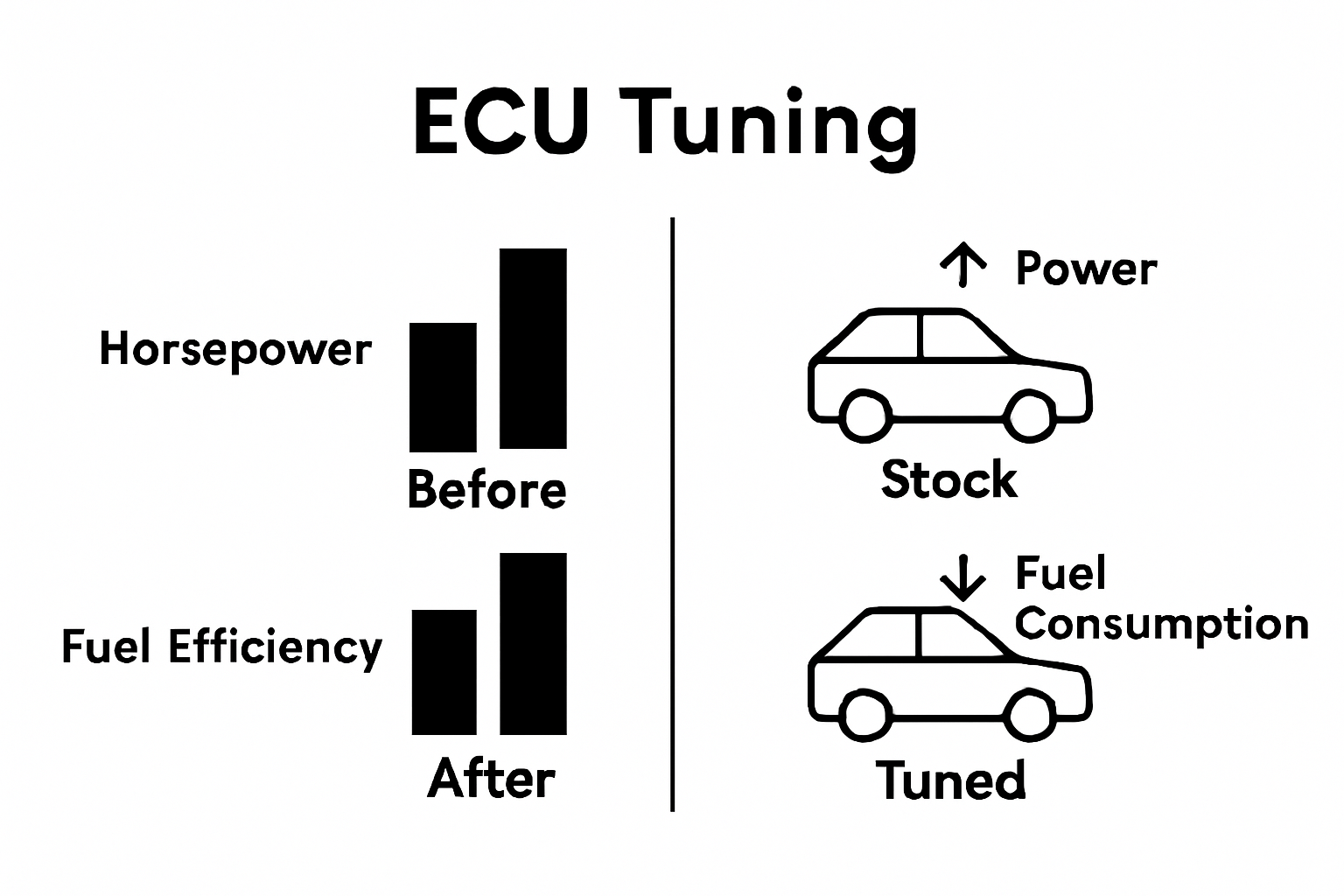 These enhancements are achieved through sophisticated algorithmic recalibrations that unlock previously constrained engine potential.
Explore our specialized Alfa tuning solutions that showcase how precise ECU modifications can transform vehicle dynamics. Professional tuners leverage these files to create nuanced performance profiles that balance increased power output with critical factors like fuel efficiency and thermal management. Unlike traditional mechanical upgrades, performance tuning files offer a non-invasive, software-driven approach to enhancing engine capabilities, providing automotive enthusiasts with a flexible and cost-effective performance optimization strategy.
Key Concepts and Terms in Performance Tuning Files
Performance tuning files represent a complex ecosystem of digital automotive engineering, requiring specialized knowledge and precise technical understanding. These digital configurations involve intricate interactions between software parameters, vehicle electronics, and mechanical systems.
Essential Performance Tuning Terminology
According to DIY Car Performance, understanding performance tuning requires familiarity with several critical technical terms. Professional automotive tuners utilize a specialized vocabulary that encompasses the nuanced world of ECU modifications:
- ECU Mapping: The process of adjusting electronic control unit parameters
- Fuel Mapping: Precise calibration of fuel delivery and air-fuel ratios
- Ignition Timing: Controlling the exact moment spark plugs fire within engine cycles
- Boost Pressure: Regulating forced induction system pressure
- Rev Limiter: Software-controlled maximum engine rotational speed
Technical Parameters and Performance Calibration
ECU tuning involves sophisticated algorithmic modifications that transform vehicle performance characteristics. Professional tuners manipulate complex parameters with surgical precision, understanding that even minute adjustments can dramatically influence engine behavior. Explore our specialized Alfa tuning solutions to understand how these intricate modifications translate into tangible performance improvements.
The core objective of performance tuning files is to optimize the delicate balance between power generation, thermal management, and mechanical efficiency.
Below is a table defining essential performance tuning terms to clarify key concepts mentioned throughout the article.
| Term | Definition |
|---|---|
| ECU Mapping | Adjusting electronic control unit parameters to modify engine performance |
| Fuel Mapping | Precise calibration of fuel delivery and air-fuel ratios |
| Ignition Timing | Controlling the exact moment spark plugs fire within engine cycles |
| Boost Pressure | Regulating forced induction system (turbo/supercharger) pressure |
| Rev Limiter | Software-controlled maximum engine rotational speed |
 By rewriting binary code within the vehicle’s electronic control systems, tuners can unlock performance potential while maintaining critical safety parameters and operational reliability.
Real-World Applications and Examples of Performance Tuning Files
Performance tuning files transform theoretical engineering concepts into practical automotive solutions across diverse vehicle applications. These digital interventions provide targeted performance enhancements that address specific operational requirements for different vehicle types and driving environments.
Automotive Performance Scenarios
Research from the DrivingStyles platform demonstrates how performance tuning files can be strategically implemented across multiple automotive domains. Professional tuners and vehicle owners leverage these digital configurations to achieve precise performance objectives:
- Commercial fleet optimization for fuel efficiency
- Racing vehicle power curve enhancement
- Precision calibration for heavy-duty transport vehicles
- Performance tuning for luxury and high-end sports cars
- Customized modifications for off-road and adventure vehicles
Performance Tuning Across Vehicle Categories
Each vehicle category presents unique challenges and opportunities for performance file optimization. Diesel engines require different tuning approaches compared to gasoline powertrains, with specialized algorithmic modifications addressing specific mechanical characteristics. Explore our VW Transporter tuning solutions to understand how professional tuners develop nuanced performance profiles.
The sophistication of modern performance tuning files enables unprecedented levels of vehicle customization. By rewriting ECU parameters with microscopic precision, automotive professionals can unlock performance potential while maintaining critical mechanical tolerances and operational safety standards. These digital interventions represent a convergence of software engineering and automotive design, providing vehicle owners with flexible, non-invasive performance enhancement strategies.
Unlock Your Vehicle’s True Potential with Proven Tuning Files
You have seen how performance tuning files radically enhance power, efficiency, and acceleration by fine-tuning ECU parameters like fuel mapping, ignition timing, and boost pressure. Still, finding precisely calibrated and verified files for your car can be stressful and risky. Inaccurate or untested files might cost you time, money, and even put your engine at risk. You deserve trusted expertise and guaranteed compatibility for your remap or recovery project.

At ECUFlashFiles.com, you gain access to a massive library of tested and performance-optimized ECU files for every need. Whether you want to discover original ECU files for safe restoration, find performance tuning files that match your model or get reliable DAMOS calibration data, our platform delivers secure, instant downloads and professional support. Secure your results with over 20 years of industry experience and advanced search features for every make, model, or engine. Don’t leave your tuning success to chance—visit ECUFlashFiles.com now and unlock the exact performance you have learned is possible.
Frequently Asked Questions
What are performance tuning files?
Performance tuning files are digital configurations designed to optimize a vehicle’s ECU settings, allowing for enhanced engine performance, fuel efficiency, and driving characteristics through modifications of original software parameters.
How do performance tuning files affect engine performance?
Performance tuning files strategically recalibrate critical ECU parameters, leading to improvements in horsepower, torque, fuel consumption, throttle response, and overall engine behavior across different driving conditions.
What key parameters are modified in performance tuning files?
Important parameters modified in performance tuning files typically include fuel injection timing, boost pressure, ignition timing, throttle response sensitivity, and rev limiters, all of which contribute to improved vehicle performance.
Are performance tuning files a non-invasive modification option?
Yes, performance tuning files offer a non-invasive approach to enhancing vehicle capabilities by rewriting ECU software parameters instead of requiring physical modifications to the vehicle’s hardware.
Recommended
- ECU Tuned File | stage 1 | VW Transporter Bosch EDC17CP20 EDC17 CB.03.15.00 C34.00 1.0 03L906022CD
- Tunned file for Chip tuning Nissan Skyline 02.mai 2006 – ECU Hitachi hitachi SW ZMD6222
- Tunned file for Toyota Supra Bosch MG1CS201
- Tunned file for Subaru WRX Denso SH7058 GW MSR_RFCC_SHCV9 FE9D452WXM
- Tunned file for Chip tuning Chevrolet Camaro 6.2 V8 SS 455hp 2021 – ECU Delco E92 SW 12712197